Lightweight and Corrosion-Resistant Properties of Aluminium Alloy
Release time:2026-01-20 Click:13
Aluminium alloy is one of the most versatile engineering materials used across various industries, prized for its unique combination of low density and high strength. By alloying pure aluminum with elements such as copper, magnesium, silicon, or zinc, manufacturers can tailor the material's properties for specific applications. The resulting alloys are significantly stronger than pure aluminum while retaining a fraction of the weight of steel. This high strength-to-weight ratio makes aluminium alloy indispensable in the aerospace industry for constructing aircraft fuselages and wings, where reducing weight directly translates to fuel efficiency and increased payload capacity.
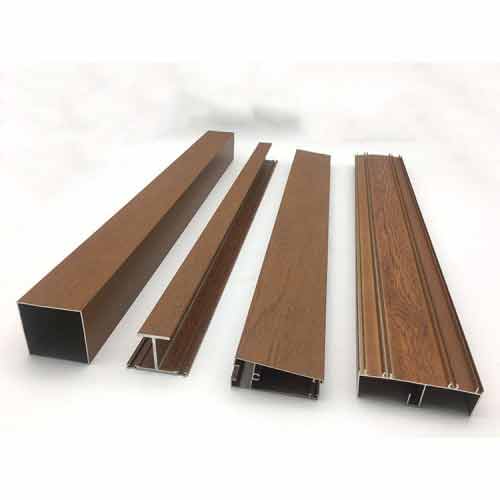
In the construction sector, aluminium alloy is widely used for window frames, curtain walls, and roofing materials. Its natural ability to form a protective oxide layer when exposed to air makes it highly resistant to corrosion, unlike iron or steel which require painting or galvanizing to prevent rust. This self-passivating behavior ensures that architectural structures made from aluminum maintain their appearance and structural integrity for decades with minimal maintenance. Furthermore, the malleability of the alloy allows it to be extruded into complex cross-sectional shapes, enabling the creation of sleek, modern architectural profiles that are both thermally efficient and aesthetically pleasing.
The automotive industry has increasingly turned to aluminium alloy to reduce vehicle weight and meet stricter emissions standards. Engine blocks, transmission cases, and wheel rims are now commonly cast from aluminum alloys to reduce the overall mass of the vehicle. This weight reduction improves handling, acceleration, and braking performance. Additionally, aluminum has excellent thermal conductivity, making it ideal for heat exchangers and radiators. At the end of a vehicle's life, the high recyclability of aluminum—requiring only 5% of the energy needed to produce primary aluminum—makes it an environmentally friendly choice, supporting the circular economy in manufacturing.
In the electronics and consumer goods market, aluminium alloy is favored for its premium feel and durability. Laptop chassis, smartphone bodies, and camera housings are often machined from solid blocks of aluminum (unibody construction) to provide rigidity and dissipate heat from internal components. The material is also non-magnetic and provides good electromagnetic shielding, which is crucial for sensitive electronic devices. As new alloys are developed with higher tensile strength and better anodizing qualities, the use of aluminium alloy continues to expand into new frontiers, such as 3D printing powders and additive manufacturing, where its light weight and thermal properties offer distinct advantages over heavier metals.
Previous article:Surface Finishing Options for Building Facade Aluminum Extrusion
Next article:Production Line Industrial Aluminum Extrusion
Hot products
Mobile: +86 15097722953
Email:metalproducts2021@163.com
Email:1755383270@qq.com