Modern Construction Using Versatile Aluminium Profile
Release time:2026-03-12 Click:5
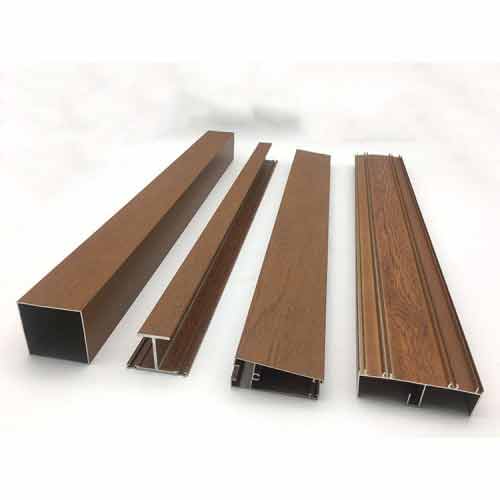
Aluminium profile has become fundamental to contemporary construction and manufacturing, providing adaptable structural and functional components that enable innovative designs across countless applications. These extruded metal shapes are created by forcing heated aluminium through precision dies, producing consistent cross-sectional geometries that can be adapted to virtually any structural or aesthetic requirement. The material properties of aluminium, including its favorable strength-to-weight ratio, natural corrosion resistance, and excellent thermal conductivity, make aluminium profile an attractive choice for applications ranging from curtain walls and window frames to industrial equipment enclosures and furniture systems. Modern architecture increasingly relies on aluminium profile systems to achieve the sleek, minimalist aesthetic that defines contemporary design while delivering the structural performance that building codes and practical requirements demand. The versatility of aluminium profile has made it indispensable in the evolution of modern construction practices.
The production of quality aluminium profile involves sophisticated extrusion processes that transform raw aluminium ingots into precisely shaped structural components with consistent dimensional accuracy. The aluminium alloy selected for specific applications balances strength requirements, corrosion resistance, and extrudability considerations that affect both manufacturing efficiency and final product performance. The extrusion process forces heated aluminium billet through a hardened steel die under extremely high pressure, with the emerging profile cooled and straightened before being heat-treated to achieve specified mechanical properties. Surface finishing options include mill finish as extruded, anodized treatments that enhance corrosion resistance and allow color customization, and powder coating that provides durable decorative finishes in virtually any color. Quality aluminium profile manufacturers maintain rigorous quality control throughout production, verifying dimensional accuracy, mechanical properties, and surface finish to ensure consistent performance in demanding applications.
The benefits of implementing aluminium profile in construction and manufacturing extend to performance, efficiency, and sustainability dimensions that align with evolving industry priorities. The material's light weight significantly reduces handling and installation labor compared to steel alternatives, while still providing sufficient strength for structural applications when properly designed. Natural corrosion resistance eliminates the need for protective coatings in many applications, reducing ongoing maintenance requirements and lifecycle costs that can exceed initial material savings. Thermal break technologies incorporated into aluminium profile systems for windows and curtain walls dramatically improve building energy efficiency by reducing heat transfer through the building envelope. The material's recyclability supports sustainability initiatives, as aluminium can be recycled indefinitely without degradation of properties, using only a fraction of the energy required for primary production. Design flexibility enables architectural expressions that would be impossible or prohibitively expensive with alternative materials, supporting innovation in building form and function.
Installation of aluminium profile systems requires proper technique and appropriate accessories that ensure structural integrity and long-term performance. Framing systems utilize specialized connectors, brackets, and fasteners designed specifically for aluminium profile construction, providing strong connections while accommodating the thermal movement that all aluminium assemblies experience. Glazing systems for windows and curtain walls incorporate specialized gaskets and sealants that maintain weather resistance while allowing for the precision alignment that quality installations require. Proper anchoring to building structures must account for the loads imposed by wind, seismic forces, and the weight of the aluminium profile system itself, with engineering calculations documenting adequate factor of safety. Field modifications including cutting and drilling should employ appropriate tools and techniques that maintain structural integrity and surface finish quality. Quality installation procedures also include verification of all connections and adjustments to ensure smooth operation of any moving components.
Construction professionals and manufacturers should recognize aluminium profile as an enabling technology that expands the possibilities for innovative, high-performance building and product design. The documented advantages in strength, durability, and design flexibility have made aluminium profile the material of choice for countless applications across construction, transportation, industrial, and consumer product sectors. Working with qualified aluminium profile suppliers ensures appropriate alloy selection and fabrication support for specific application requirements. Investment in quality aluminium profile and proper installation techniques delivers long-term value through reduced maintenance, extended service life, and consistent performance that supports building occupant comfort and safety. As construction practices continue emphasizing energy efficiency, sustainable materials, and innovative design, aluminium profile systems will remain at the forefront of enabling these objectives. Embracing the capabilities of modern aluminium profile technology positions construction professionals to meet the evolving demands of contemporary building projects.
Previous article:Building Modular Frameworks with Aluminium Extrusion Accessories
Next article:Modular Construction Relies on Precision Aluminium Extrusion Brackets
Hot products
Mobile: +86 15097722953
Email:metalproducts2021@163.com
Email:1755383270@qq.com