The Lightweight Strength of Aluminium Alloy in Modern Engineering
Release time:2026-01-27 Click:22
Aluminium alloy is a versatile material created by combining aluminium with other elements like copper, magnesium, silicon, or zinc to significantly enhance its strength, corrosion resistance, and workability compared to pure aluminium. This tailoring of properties makes it indispensable across a staggering range of industries, from aerospace and automotive manufacturing to construction, consumer electronics, and packaging. Its high strength-to-weight ratio is perhaps its most celebrated characteristic, enabling the production of lightweight yet robust components that improve fuel efficiency in vehicles, increase payload capacity in aircraft, and allow for easier handling in building materials.
The metallurgical science behind aluminium alloys allows for precise engineering. Heat-treatable alloys (like the 6000 and 7000 series) can be strengthened through processes like solution heat treatment and aging, achieving strengths comparable to some steels. Non-heat-treatable alloys (like the 5000 series) gain strength from cold working. Surface treatments, most notably anodizing, create a hard, decorative, and corrosion-resistant oxide layer that can be dyed in various colors. This adaptability means specific alloys can be selected for applications as diverse as marine hardware (requiring saltwater resistance), structural beams (requiring high load-bearing capacity), and smartphone casings (requiring aesthetic appeal and EMI shielding).
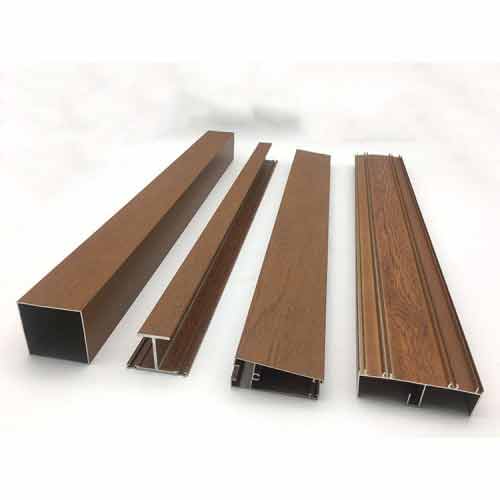
In construction, aluminium alloys are used for window frames, curtain walls, roofing, and bridges due to their durability, low maintenance, and ability to be extruded into complex, thermally efficient profiles. In transportation, they are critical for car body panels, aircraft fuselages, and ship superstructures, directly contributing to energy savings and reduced emissions. The material's excellent conductivity also makes it the primary choice for electrical transmission lines and heat sinks in electronics. Furthermore, its non-magnetic properties and non-sparking nature make it safe for use in sensitive electronic and explosive environments.
Sustainability is a major driver for aluminium alloy use. Aluminium is infinitely recyclable without loss of its inherent properties, and recycling requires only about 5% of the energy needed for primary production. This circular economy potential is increasingly important in automotive and packaging industries seeking to lower their carbon footprint. Innovations continue with the development of new high-strength, lightweight alloys for next-generation electric vehicles and aerospace, and the use of additive manufacturing (3D printing) to create complex alloy components. As a material that combines lightness, strength, and environmental credentials, aluminium alloy is poised to remain at the forefront of engineering innovation for decades to come.
Previous article:Polished Aluminum Extrusion with a Clean and Sophisticated Look
Next article:Enhancing Buildings with Modern Aluminium Windows
Hot products
Mobile: +86 15097722953
Email:metalproducts2021@163.com
Email:1755383270@qq.com