The Properties and Applications of Aluminium Alloy in Engineering
Release time:2026-02-05 Click:8
Aluminium alloy has become one of the most important materials in modern engineering, providing exceptional combinations of strength, lightness, and corrosion resistance that enable innovations across aerospace, automotive, construction, and consumer product applications. Unlike pure aluminum that offers limited strength, aluminium alloy systems combine aluminum with elements including copper, magnesium, silicon, and zinc to achieve mechanical properties suitable for demanding structural applications. The development of specialized alloy designations and temper designations provides engineers with precise specifications for selecting materials that meet specific strength, formability, and service environment requirements. This versatility has made aluminium alloy indispensable in applications where weight savings and durability are important considerations.
The classification of aluminium alloy systems addresses different performance requirements through variations in composition and processing. The 2000 series alloys with copper additions provide high strength comparable to steel, used in aerospace and high-performance automotive applications. The 6000 series alloys with magnesium and silicon offer excellent corrosion resistance and formability, popular for architectural extrusions and automotive body panels. The 7000 series alloys with zinc provide the highest strength of aluminum alloys, used in aerospace structures where maximum performance is required. Understanding these alloy families helps engineers select appropriate materials for specific applications while optimizing cost and performance.
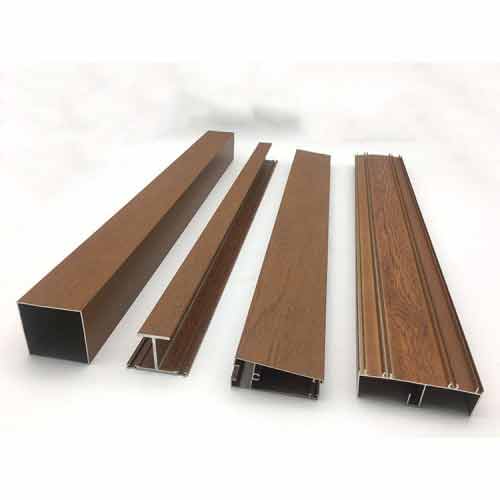
Manufacturing processes for aluminium alloy enable conversion from ingot to finished products with properties tailored to specific requirements. Extrusion processes create long profiles with complex cross-sections for windows, doors, and structural framing. Rolling produces sheet and plate for automotive body panels, aircraft skins, and construction applications. Casting creates complex shapes including engine components and decorative elements. Heat treatment processes including solution treatment and aging develop the strength characteristics that make aluminium alloy valuable in structural applications. These manufacturing capabilities enable aluminium alloy to serve an extraordinary range of applications across many industries.
Sustainability considerations increasingly favor aluminium alloy in applications where reduced weight contributes to energy efficiency throughout the product lifecycle. The automotive industry's shift toward electric vehicles has accelerated aluminum adoption for battery enclosures and structural components that reduce vehicle weight and extend driving range. Construction applications benefit from aluminum's durability and recyclability, with building systems designed for disassembly and material recovery at end of service life. The energy efficiency of aluminum recycling, requiring only about 5% of the energy of primary production, supports circular economy principles in materials management. These sustainability factors increasingly influence material selection decisions across engineering disciplines.
Previous article:Thermal Break Aluminium Extrusion Thermal Comfort Enhancement
Next article:Structural Versatility with an Aluminium Extrusion Tube
Hot products
Mobile: +86 15097722953
Email:metalproducts2021@163.com
Email:1755383270@qq.com