Reducing Structural Weight with Extruded Aluminium Profile
Release time:2026-02-11 Click:11
In the aerospace, automotive, and construction industries, the demand for materials that offer high strength-to-weight ratios has made aluminium profile a preferred choice. These structural components are created through an extrusion process, where heated aluminum billets are forced through a die to create long strips with specific cross-sectional shapes. The resulting aluminium profile can be solid, hollow, or semi-hollow, designed to maximize rigidity while minimizing material usage. The natural oxide layer on aluminum provides excellent corrosion resistance, eliminating the need for painting in many exterior applications.
The versatility of the aluminium profile is evident in its wide range of shapes. T-slot profiles are incredibly popular in industrial automation for building modular workbenches and machine guards, as the slots allow for easy attachment of brackets and accessories without welding. Angle and channel profiles are staples in construction for framing windows, doors, and curtain walls. The aluminium profile can also be designed with complex internal chambers to route wiring or plumbing, integrating multiple functions into a single component. This multifunctionality reduces assembly time and part count in manufacturing.
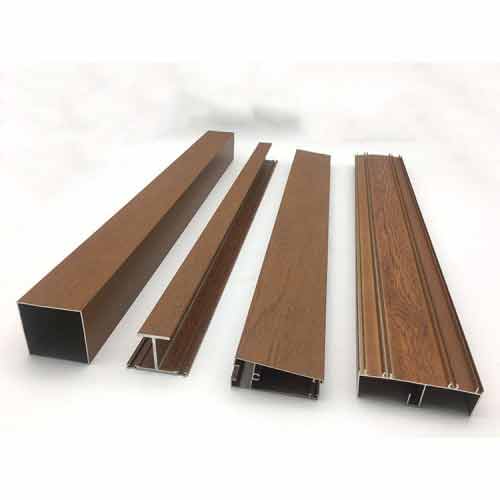
Surface treatment plays a significant role in the performance of aluminium profile. Anodizing is a common electrochemical process that thickens the natural oxide layer, making the surface harder and more resistant to wear and scratching. It also allows the aluminium profile to be dyed in various colors, such as bronze, black, or champagne, for architectural aesthetics. Powder coating offers an even more durable finish that can mimic wood grain or solid colors. These treatments not only enhance the visual appeal but also extend the lifespan of the aluminium profile in harsh environments, such as coastal areas with high salinity.
Thermal conductivity is a double-edged sword for aluminium profile. While aluminum conducts heat efficiently, which is great for heat sinks in electronics, it can be a disadvantage in building frames where thermal bridging can lead to energy loss. To combat this, modern aluminium profile systems often incorporate a "thermal break"—a strip of polyamide inserted between the interior and exterior metal sections. This innovation drastically reduces heat transfer, making aluminum windows and doors energy-efficient. The lightweight nature of the aluminium profile also makes it ideal for movable structures like sliding doors and folding partitions, where heavy steel would be impractical.
As sustainability becomes a priority, the recyclability of aluminium profile is a major selling point. Aluminum can be recycled indefinitely without losing its properties, and recycling it requires only 5% of the energy needed to produce primary aluminum. This makes aluminium profile a green choice for LEED-certified buildings. In the future, advancements in alloy composition will likely produce ultra-high-strength aluminum profiles that can replace steel in load-bearing structures, further revolutionizing lightweight engineering and reducing the carbon footprint of construction projects.
Previous article:Lightweight Strength, Perfected: The Custom Shape Aluminum Extrusion
Next article:Discover the Strength of Window Frame Aluminum Extrusion
Hot products
Mobile: +86 15097722953
Email:metalproducts2021@163.com
Email:1755383270@qq.com