Discover the Strength of Window Frame Aluminum Extrusion
Release time:2026-02-12 Click:11
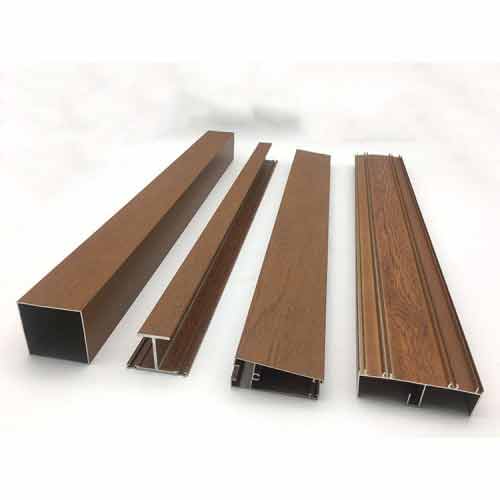
Window frames play a pivotal role in a building’s structural integrity, thermal efficiency, and aesthetic appeal, and aluminum extrusion emerges as a material of choice for its unmatched strength-to-weight ratio and design flexibility. Through a process of forcing heated aluminum alloy through dies to create complex profiles, manufacturers produce frames that are lightweight yet robust, corrosion-resistant, and infinitely customizable. From skyscrapers to single-family homes, aluminum extrusions empower architects to push the boundaries of modern fenestration.
Mechanical strength is rooted in alloy selection. Common alloys like 6061 and 6063 offer a balance of tensile strength (up to 310 MPa for 6061) and malleability, allowing for intricate shapes without sacrificing durability. Heat treatment processes, such as T5 or T6 tempering, enhance hardness and load-bearing capacity, enabling frames to withstand high winds (up to 200 mph in hurricane zones) and seismic activity. The extrusion process aligns aluminum grains along the profile, maximizing strength in the direction of applied forces, a key advantage over rolled or cast aluminum.
Thermal efficiency and durability go hand in hand. Aluminum’s natural conductivity is mitigated by thermal breaks—polyamide or PVC inserts that separate the inner and outer frames, reducing heat transfer by 50–70%. This makes aluminum extrusions ideal for energy-efficient buildings, meeting Passive House or LEED standards. Anodized or powder-coated finishes (available in hundreds of colors) protect against corrosion, UV damage, and scratching, ensuring the frame retains its appearance for decades, even in coastal or industrial environments.
Design versatility knows no bounds. Extrusion allows for integrated features like multi-chambered hollow sections (improving insulation), built-in drainage channels (preventing water ingress), and mitered corners (creating seamless joints). Slim profiles (as narrow as 30 mm) maximize glass area for unobstructed views, while curved or angled extrusions enable unique architectural statements, such as arched or faceted windows. Custom dies can produce frames for historical restorations or futuristic designs, bridging past and future aesthetics.
Sustainability aligns with global goals. Aluminum is 100% recyclable, and extrusion scrap is often reused in production, reducing waste. The lightweight nature of extrusions lowers transportation energy, and their long lifespan (50+ years) minimizes replacement needs. For green building projects, aluminum frames contribute to reduced carbon footprints and earn points in sustainability certifications.
Window frame aluminum extrusion exemplifies the synergy of strength, efficiency, and creativity. By enabling stronger, more energy-efficient, and visually stunning windows, it helps shape the skylines of today and tomorrow, proving that material innovation is key to architectural progress.
Previous article:Reducing Structural Weight with Extruded Aluminium Profile
Next article:The Multifaceted Applications of Aluminium Sheet
Hot products
Mobile: +86 15097722953
Email:metalproducts2021@163.com
Email:1755383270@qq.com