Heavy-Duty Door Frames Aluminum Extrusion for Commercial Buildings
Release time:2026-02-19 Click:14
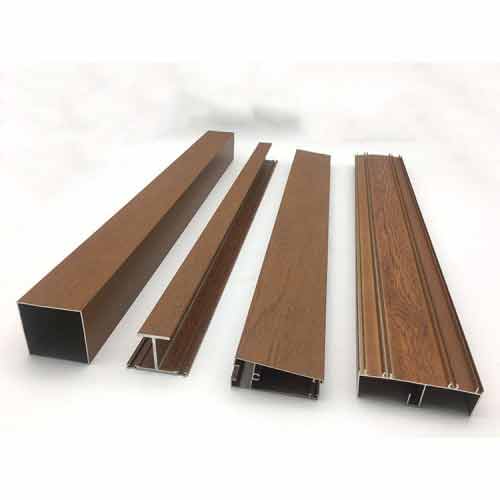
Heavy-duty door frames made from aluminum extrusion are a cornerstone of modern commercial building construction, offering an optimal blend of structural strength, durability, lightweight, and design flexibility. Engineered to support large, frequently used doors such as main entrances, storefronts, and industrial access points, these extrusions are formed by forcing heated aluminum alloy (typically 6063-T5 or 6061-T6 for excellent strength-to-weight ratio) through a precision die to create long profiles with complex cross-sections tailored for specific framing, glazing, and hardware integration needs.
The design of the extrusion profile is critical to its performance. A heavy-duty commercial frame profile will have multiple chambers within its cross-section. These chambers significantly increase structural rigidity and thermal efficiency while reducing weight. Key features include deep grooves for anchoring into the surrounding structure, rebates for accommodating thick insulated glass units or solid door panels, and integral channels for the secure attachment of hardware like continuous hinges, multi-point locks, and panic devices. The profiles are designed to interlock with complementary extrusions for corners (corner keys or mitre joints) and to accept various types of weather-stripping and threshold systems.
Fabrication and assembly transform raw extrusions into complete door frames. The extruded lengths are cut to size with precision saws. Corners are joined using mechanical corner cleats (keys) inserted into the profile chambers and secured with screws, creating a strong, square joint—superior in strength and consistency to welded corners for aluminum. Hardware is then mounted into the pre-designed channels. The frame is often pre-fitted with glazing beads or pressure plates. This off-site fabrication ensures high quality and speeds up on-site installation.
The advantages for commercial buildings are substantial. Aluminum is inherently corrosion-resistant, especially when anodized or finished with durable powder coatings, making it ideal for exterior applications exposed to weather. Its strength allows for larger glass expanses and more robust doors without bulky frames, maximizing natural light and modern aesthetics. The thermal break technology—where a polyamide bar separates interior and exterior aluminum parts—can be incorporated into the extrusion design to dramatically improve energy efficiency and prevent condensation.
Specifying heavy-duty aluminum extrusion door frames is a long-term investment in a building's performance, security, and appearance. They provide a robust, low-maintenance, and dimensionally stable framework that can withstand high traffic and environmental stress. By working with manufacturers to select the right alloy, profile design, finish, and hardware compatibility, architects and contractors ensure that building entrances are not only secure and functional but also contribute to the building's overall energy performance and sleek, professional image for decades.
Previous article:Thermal Management with Aluminium Extrusion Heat Sink Designs
Next article:Eco Friendly Furniture Frame Aluminum Extrusion for Sustainable Furniture
Hot products
Mobile: +86 15097722953
Email:metalproducts2021@163.com
Email:1755383270@qq.com