Eco Friendly Furniture Frame Aluminum Extrusion for Sustainable Furniture
Release time:2026-02-20 Click:16
Aluminum extrusion technology has transformed furniture design and manufacturing, enabling the creation of frames that are strong, lightweight, corrosion-resistant, and infinitely recyclable. The sustainability advantages of aluminum make it increasingly attractive to furniture manufacturers responding to consumer demand for environmentally responsible products. Extrusion processes allow for complex cross-sectional profiles that would be impossible or prohibitively expensive to produce with traditional woodworking or metalworking techniques. Design freedom, combined with the material's inherent durability, positions aluminum extrusion as the material of choice for modern sustainable furniture.
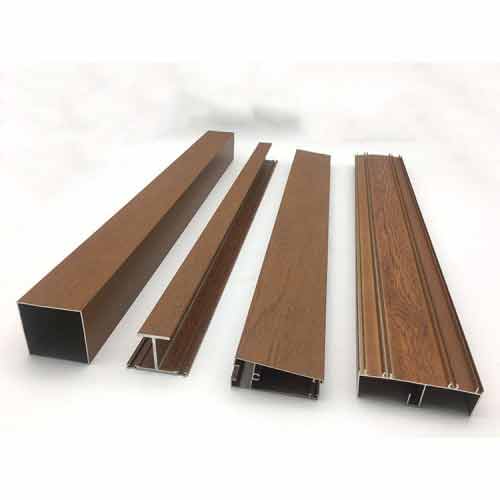
The aluminum extrusion process involves forcing heated aluminum billet through precision-machined dies to create long profiles with consistent cross-sectional geometry. This manufacturing method produces minimal waste, as remnant material from each extrusion can be completely recycled back into the production process. The mechanical properties of extruded aluminum profiles can be precisely engineered through alloy selection and heat treatment, providing the strength required for furniture applications while maintaining the lightweight characteristics that consumers value. Finishing options including anodizing, powder coating, and wood-grain printing provide aesthetic versatility while adding protective layers that extend product life.
Furniture designers embrace aluminum extrusion for the design freedom it provides, enabling innovative forms that would be impractical with other materials. The ability to create integrated features such as cable management channels, adjustable mounting points, and complex joint geometries simplifies assembly and improves functionality. Modular furniture systems benefit particularly from extrusion technology, as common profiles can be configured into countless different furniture pieces using standardized connectors and accessories. This versatility supports the circular economy by enabling furniture reconfiguration rather than replacement when needs change.
The sustainability profile of aluminum extrusion furniture extends throughout the product lifecycle, from raw material sourcing through end-of-life recycling. Primary aluminum production has traditionally been energy-intensive, but secondary aluminum produced from recycled material requires only about 5% of the energy needed for primary production. At end of service life, aluminum furniture frames can be completely recycled without degradation of material properties, making them ideal candidates for take-back programs and closed-loop manufacturing. Manufacturers increasingly document the recycled content of their products and offer recycling programs that support responsible end-of-life management.
Market demand for sustainable furniture continues to grow as consumers, businesses, and institutions prioritize environmental responsibility in their purchasing decisions. Commercial furniture buyers increasingly specify recycled content, recyclability, and manufacturer sustainability practices in procurement requirements. Residential consumers demonstrate willingness to pay premium prices for furniture that aligns with their environmental values. Aluminum extrusion furniture meets these market demands while providing the durability and aesthetic quality that furniture applications require. The combination of environmental benefits, design flexibility, and functional performance positions aluminum extrusion as a cornerstone material for the sustainable furniture future.
Previous article:Heavy-Duty Door Frames Aluminum Extrusion for Commercial Buildings
Next article:Structural Performance of Building Facade Aluminum Extrusion
Hot products
Mobile: +86 15097722953
Email:metalproducts2021@163.com
Email:1755383270@qq.com